
Acupuncture for Digestive Health: Natural Relief for IBS, Bloating, and Reflux
Feb 13, 2026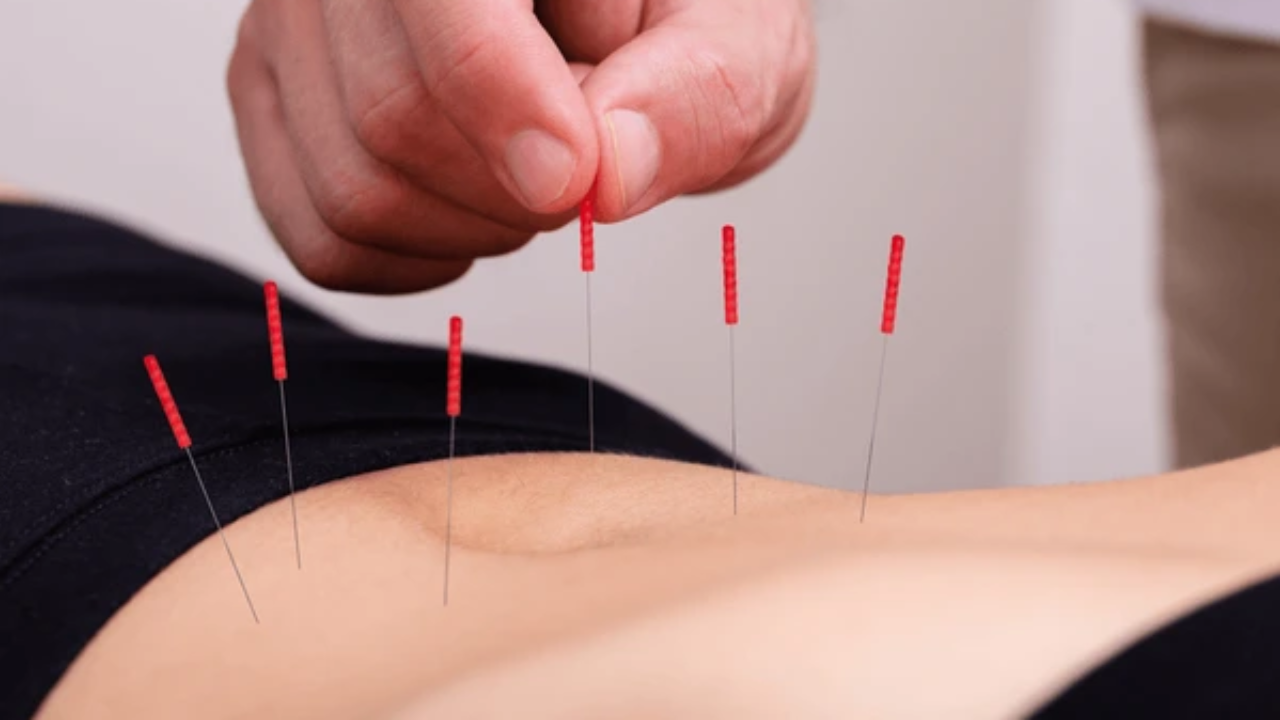
Acupuncture offers gentle, drug free support for digestive issues like IBS, bloating, and reflux by calming the gut brain axis and supporting healthier motility and nervous system balance. While it is not a cure, many people use acupuncture as part of a holistic digestive support plan that also includes diet and lifestyle changes.
How Acupuncture Supports Digestion
From a modern perspective, acupuncture may help regulate gut motility, reduce inflammation, and influence how the brain and gut communicate, which can ease common IBS and reflux symptoms. Traditional Chinese medicine also views the digestive system as central to overall vitality and aims to strengthen digestive “Qi” so you can break down and absorb food more efficiently.
- Helps modulate visceral sensitivity that contributes to abdominal pain and bloating in IBS.
- Can reduce stress and anxiety that often trigger or worsen digestive flare ups.
- May improve esophageal motility and reflux symptoms in people with gastroesophageal reflux disease.
Acupuncture for IBS and Indigestion
Research on acupuncture for IBS suggests it can reduce overall symptom severity and improve quality of life, especially when used over several weeks in a structured treatment plan. Some trials show improvements in abdominal pain, stool frequency, bloating, and the sensation of incomplete evacuation, although results can vary between individuals.
- A recent multicenter trial in IBS with diarrhea found that a series of acupuncture sessions improved abdominal pain and stool consistency with benefits lasting for weeks after treatment.
- Meta analyses report that acupuncture can be as effective as or superior to some conventional treatments for global IBS symptoms but may not always outperform high quality sham acupuncture in every study.
- For functional indigestion, acupuncture is often combined with dietary guidance and stress reduction to address both the digestive tract and the nervous system.
Bloating, Reflux, and Gut Health in Chinese Medicine
Bloating, acid reflux, and sluggish digestion are understood in Chinese medicine as signs that digestive Qi is not moving smoothly, which can stem from stress, diet, or constitutional weakness. Treatment typically blends acupuncture with nutritional advice, herbs, and lifestyle coaching to restore balance over time.
- Bloating and gas are often linked to “Qi stagnation” or weak digestive fire, so points and herbs are chosen to move Qi and warm the center.
- Reflux and heartburn are usually associated with “Stomach heat” or rebellious Qi, so care focuses on cooling and directing energy downward while calming stress.
- Emerging work on the microbiome suggests that traditional Chinese medicine approaches, including acupuncture and herbs, may influence gut bacteria and inflammation, though this area is still developing.
What a Holistic Digestive Plan May Include
Most people see the best results when acupuncture is part of a broader, personalized gut health plan rather than a standalone fix. Practitioners typically build a treatment strategy around your pattern of symptoms, triggers, and overall health history.
- A series of regular acupuncture sessions often weekly at first then tapering as symptoms improve.
- Chinese herbal formulas tailored to your pattern of IBS, bloating, or reflux to support digestion between visits.
- Dietary guidance such as favoring warm, cooked foods, reducing greasy or highly processed foods, and eating mindfully to reduce strain on the gut.
- Mind body practices like qigong, breathwork, or gentle movement to regulate stress and support the gut brain connection.
FAQs about Acupuncture for Digestive Health
1.Can acupuncture really help IBS symptoms?
Some controlled trials and meta analyses suggest acupuncture can reduce overall IBS symptom severity and improve quality of life, especially with a short intensive course of treatment. However, not all studies agree, and more high quality research is still needed, so results can differ from person to person.
2. How many sessions are usually needed for digestive issues?
Many research protocols and clinical practices use a series over several weeks for conditions like IBS, often around two to five sessions per week for four to six weeks, then adjusting based on response. Your practitioner will customize the exact schedule to your symptoms, goals, and how your body responds.
3. Is acupuncture safe for reflux and chronic indigestion?
Acupuncture is generally considered safe when performed by a licensed practitioner and has been studied in people with reflux who did not fully respond to medication, with short term improvements in symptoms and esophageal motility. Side effects are usually mild such as brief soreness or bruising though serious complications are rare when proper sterile technique is used.
4.Does acupuncture replace medication or other digestive treatments?
Acupuncture is typically used as a complementary therapy not a replacement for prescribed medications or medical evaluations. It is important to continue working with your primary care or gastroenterology provider especially if you have red flag symptoms like weight loss, bleeding, severe pain, or trouble swallowing.
5. What does acupuncture feel like for digestive issues?
Acupuncture sessions for IBS, bloating, or reflux typically involve thin, sterile needles inserted at specific points on the abdomen, arms, legs, or back, with a sensation like a mild pinch or dull ache that often turns into a warm, tingling "Qi arrival." Sessions last 20-40 minutes in a calm environment, promoting relaxation that supports the gut-brain axis. Most people find it comfortable and report reduced stress immediately after.
6. Are there any side effects of acupuncture for gut problems?
Acupuncture is low-risk for digestive conditions, with common side effects limited to minor bruising, soreness, or fatigue that resolve quickly. Serious issues like infection are extremely rare (less than 0.01% in studies) when using licensed practitioners with sterile needles. It's generally safe alongside medications, but inform your acupuncturist about conditions like bleeding disorders.
7. Can acupuncture improve bloating and gas specifically?
Yes, acupuncture targets "Qi stagnation" in Chinese medicine, which aligns with modern views on visceral hypersensitivity and poor motility causing bloating and gas. Clinical reports and small trials show reduced abdominal distension after 4-8 sessions, especially when paired with dietary tweaks like avoiding cold, raw foods. Benefits often build over time as gut motility improves.
8. How does acupuncture fit into my overall gut health routine?
Acupuncture enhances routines by regulating the nervous system and inflammation alongside probiotics, fiber-rich diets, or yoga. Track progress with a symptom journal, and combine it with practitioner-recommended herbs or mindfulness for IBS/reflux. Consult your doctor to integrate it safely, aiming for sustained lifestyle changes for long-term digestive balance.
Get Personalized Health Guidance
Looking to improve your wellbeing? Reach out to schedule an appointment for tailored health advice and to start getting relief soon.
Book Now