
Integrating Qigong with Chinese Herbs for Seasonal Immunity Boosts
Mar 10, 2026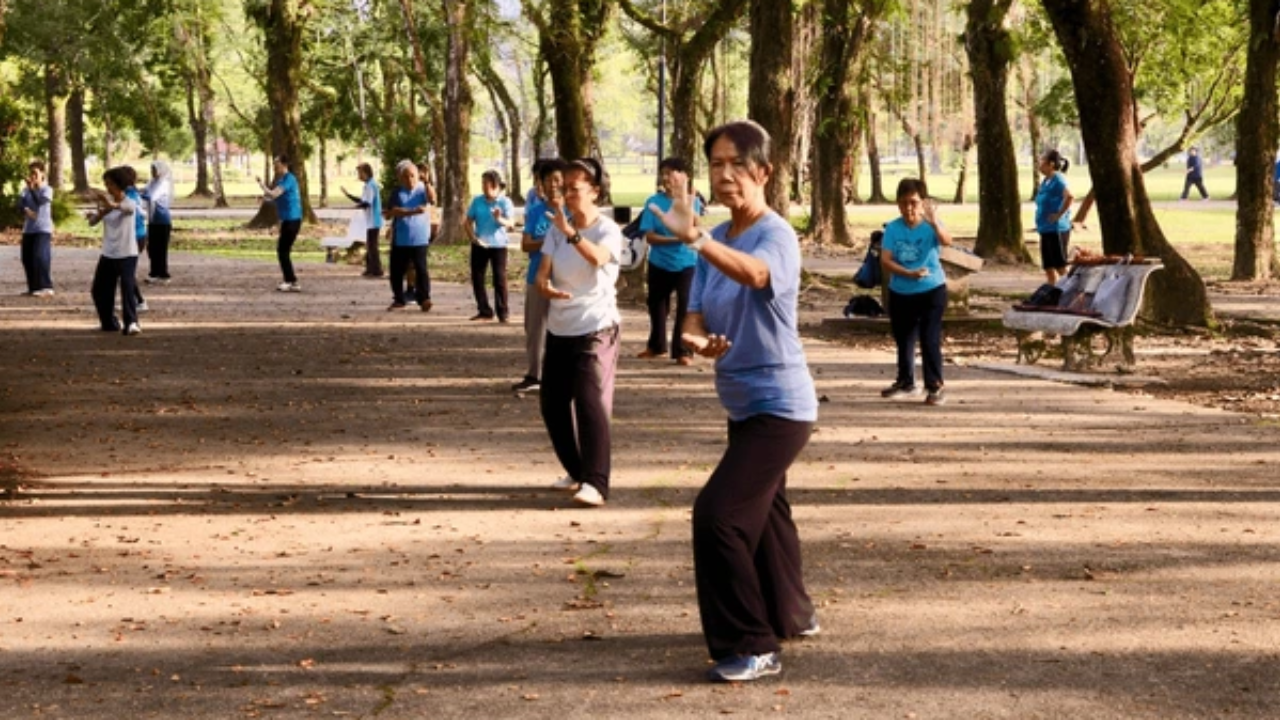
Every season carries its own energetic signature. Spring surges upward with new growth. Summer blazes with heat and outward expression. Autumn draws inward, and winter asks for stillness and conservation. Traditional Chinese Medicine has always recognized that the body must adapt to these transitions, and that failure to adapt is precisely when illness finds its opening.
Seasonal colds, fatigue, allergies, and low resistance are not random bad luck in the Chinese medicine framework. They are signs that the body's defensive energy, roughly analogous to the immune system, has become insufficient or disorganized. The great news is that two of the most powerful tools for strengthening wei qi and navigating seasonal transitions are completely accessible to anyone: qigong and Chinese herbal medicine. Used together, they form a synergy that is significantly greater than either practice alone.
At Energy Matters Online, we teach students how to build exactly this kind of integrated home practice. Whether you are brand new to qigong or looking to deepen a practice you already have, understanding how movement and plant medicine work together is one of the most valuable things you can learn.
What Is Wei Qi and Why Does It Matter Seasonally?
In Traditional Chinese Medicine, wei qi is the body's outermost layer of defensive energy. It circulates at the surface of the body, through the skin and muscle layers, protecting against external pathogens, what Chinese medicine calls wind, cold, heat, and dampness. Strong wei qi means the body can effectively resist illness, adapt to changing temperatures, and recover quickly when something does get through.
Wei qi is governed primarily by the lungs, which is why lung-supportive practices become especially important in autumn and early winter, the seasons when respiratory illness peaks and when the lung meridian is most active according to the Chinese medicine organ clock. The wei qi also draws its foundation from the kidneys, considered the root of all constitutional energy in the body.
When wei qi is robust, seasonal changes pass over the body like weather over a mountain noticed but not threatening. When it is depleted through overwork, poor sleep, chronic stress, or nutritional deficiency, those same seasonal shifts become triggers for illness. This is where qigong and Chinese herbs step in.
How Qigong Strengthens Immunity at the Root
Qigong works on immunity in ways that both ancient tradition and modern research support. From the classical perspective, qigong cultivates and circulates qi through the meridian system, strengthening the lungs, kidneys, and spleen, the three organ networks most responsible for producing and maintaining wei qi. From a biomedical perspective, studies have shown that regular qigong practice increases natural killer cell activity, reduces inflammatory markers, regulates cortisol, and supports lymphatic circulation, all of which contribute to a more resilient immune response.
Certain qigong forms are specifically designed for immune support and seasonal adaptation. The Eight Brocades, also known as Ba Duan Jin, is a classical sequence of eight movements that targets the major organ meridians and is widely used in Chinese medicine clinical settings for immune strengthening and general vitality. The Six Healing Sounds practice uses specific tonal vibrations coordinated with breathing to cleanse and tonify individual organ systems particularly the lungs in autumn and the kidneys in winter.
Even a beginner-level daily qigong practice of ten to fifteen minutes, performed consistently through a seasonal transition, produces measurable and felt changes in energy, resistance to illness, and recovery speed. Learning qigong online through a structured program is one of the most efficient ways to acquire these forms correctly and begin experiencing their benefits right away.
Chinese Herbs That Complement a Qigong Immunity Practice
Chinese herbal medicine offers a sophisticated pharmacy of plants that have been used for centuries to strengthen wei qi, support the lungs and kidneys, and help the body adapt to seasonal stress. Several herbs stand out as particularly well-matched with a qigong practice focused on seasonal immunity.
Astragalus, known in Chinese medicine as Huang Qi, is perhaps the most renowned immune tonic in the entire classical herbal tradition. It directly strengthens wei qi, supports lung function, and has been extensively studied for its immunomodulatory effects. It is typically taken as a daily tonic, added to soups, brewed as a tea, or taken in capsule form rather than used acutely during illness.
Reishi mushroom, or Ling Zhi, occupies a revered place in Chinese medicine as a spirit-calming, immunity-deepening adaptogen. It supports both the lungs and the heart, making it an ideal complement to the breathing-focused aspects of qigong practice. Regular consumption during seasonal transitions is thought to build deep immune reserves over time.
Schisandra berry, or Wu Wei Zi, is a remarkable five-flavored fruit that simultaneously tonifies the lungs and kidneys, calms the nervous system, and improves the body's adaptive response to stress. It pairs beautifully with qigong practice because both share the goal of building adaptive resilience rather than merely suppressing symptoms.
Yu Ping Feng San, Jade Windscreen Formula, is a classical three-herb formula that has been used in Chinese medicine for hundreds of years specifically to strengthen wei qi and prevent illness during seasonal transitions. It is worth discussing with a qualified Chinese medicine practitioner or herbalist to determine if it is appropriate for your constitution.
Building a Seasonal Integration Practice
The most effective approach to seasonal immunity is to begin your qigong and herbal practice before the season fully shifts, not after you are already ill. In Chinese medicine, this preventative orientation is considered far superior to reactive treatment. Ideally, you would begin adjusting your practice two to three weeks before the solstice or equinox that marks a seasonal transition.
A practical daily rhythm might look like this: begin your morning with ten to fifteen minutes of qigong, focusing on lung-opening movements and breathwork. Take your tonic herbs with breakfast, astragalus in a warming broth, reishi as a tea or capsule, or schisandra brewed into a tart daily drink. Throughout the day, return to conscious breathing whenever stress arises, recognizing that each slow, intentional exhale is an act of lung tonification. In the evening, practice the Six Healing Sounds or a brief relaxation qigong sequence to consolidate the day's energy and support overnight restoration.
Learning qigong online makes this kind of consistent home practice entirely achievable, even with a busy schedule. At Energy Matters Online, our qigong online programs include seasonal-specific guidance so you can adapt your practice intelligently as the year moves through its cycles.
Why the Combination Works Better Than Either Alone
Qigong and Chinese herbs work through complementary mechanisms that reinforce each other meaningfully. Qigong opens the meridians and improves circulation, making the body more receptive to the tonifying effects of herbal medicine. The herbs, in turn, provide the raw nutritional and energetic building blocks that qigong practice then activates and distributes through the system. Together, they address immunity from both the functional level, how the body uses and circulates energy and the structural level whether the body has sufficient resources to draw on.
Frequently Asked Questions
-
How does qigong specifically support the immune system?
Qigong strengthens immunity through several overlapping mechanisms. From the Chinese medicine perspective, it cultivates the body's defensive energy, and tonifies the organ systems most responsible for immune resilience, particularly the lungs, kidneys, and spleen. From a biomedical perspective, regular qigong practice has been shown in peer-reviewed studies to increase natural killer cell activity, reduce chronic inflammation, regulate stress hormones like cortisol, and improve lymphatic circulation. The breathing component alone, slow, diaphragmatic, intentional breath, has a measurable calming effect on the nervous system that directly supports immune function.
-
Which qigong forms are best for seasonal immunity?
The Eight Brocades (Ba Duan Jin) and the Six Healing Sounds are the two classical qigong forms most directly associated with immune support and organ tonification. The Eight Brocades is particularly accessible for beginners and covers all major meridian systems in a single sequence. The Six Healing Sounds targets specific organs with vibrational breathwork and is excellent for seasonal transitions, focusing on the lung sound in autumn and the kidney sound in winter. Both can be learned effectively through a quality qigong online program.
-
Can I take Chinese herbs without seeing a practitioner?
General tonic herbs like astragalus, reishi, and schisandra are widely considered safe for most adults and are available in health food stores without a prescription. They are used as daily tonics for building baseline resilience rather than as targeted treatments for specific conditions. That said, Chinese herbal medicine is a sophisticated clinical system, and individual constitution matters. If you have a chronic health condition, take pharmaceutical medications, or are pregnant or nursing, consulting a licensed Chinese medicine practitioner before adding herbs to your routine is always the wisest approach.
-
When should I start preparing for seasonal transitions?
In Chinese medicine, the ideal time to begin seasonal preparation is two to three weeks before the actual transition, before the solstice or equinox arrives. This gives your body time to gradually shift its energetic orientation and build the reserves it will need for the new season. Starting your immune-focused qigong practice and tonic herb regimen in mid-autumn, for example, is far more effective than waiting until you have already caught your first winter cold.
-
How long does it take for qigong to produce noticeable immune benefits?
Most practitioners begin to notice shifts in energy, resilience, and overall vitality within two to four weeks of consistent daily practice, even if sessions are brief. Deeper immune benefits, reduced frequency of illness, faster recovery, improved adaptation to seasonal changes, tend to become apparent after two to three months of regular practice. This is why consistency matters far more than session length. Ten minutes every day produces dramatically better results than an hour-long session once a week.
-
Is it safe to combine qigong with Chinese herbal medicine?
Yes. Qigong and Chinese herbal medicine have been used together as complementary practices within the same medical tradition for thousands of years. They are designed to work in concert. There are no known adverse interactions between qigong practice and commonly used tonic herbs. The combination is considered one of the most complete and effective approaches to preventative health and seasonal resilience in the entire Chinese medicine system.
-
Can I learn qigong online effectively enough to support my immunity?
Absolutely. Many of the most beneficial immune-supporting qigong practices, the Eight Brocades, the Six Healing Sounds, standing meditation, and lung-focused breathwork are highly teachable through well-structured qigong online programs. The key is choosing instruction led by an experienced teacher who provides clear correction guidance and explains the purpose behind each movement. At Energy Matters Online, our qigong online courses are designed to give you exactly this level of depth and clarity, regardless of your experience level.
-
How does Energy Matters Online help students build a seasonal immunity practice?
Energy Matters Online offers qigong online programs that incorporate seasonal awareness, Chinese medicine principles, and practical guidance for integrating movement with supportive lifestyle habits, including diet and herbal medicine recommendations aligned with each season. Our instructors bring deep knowledge of the Chinese medicine tradition and make it genuinely accessible for modern learners at every level. Whether you are looking to start from scratch or refine an existing practice, we have resources to support you.
Get Personalized Health Guidance
Looking to improve your wellbeing? Reach out to schedule an appointment for tailored health advice and to start getting relief soon.
Book Now