
Therapeutic Bodywork Explained: Myofascial Release, Deep Tissue, and When to Choose Each
Jun 25, 2026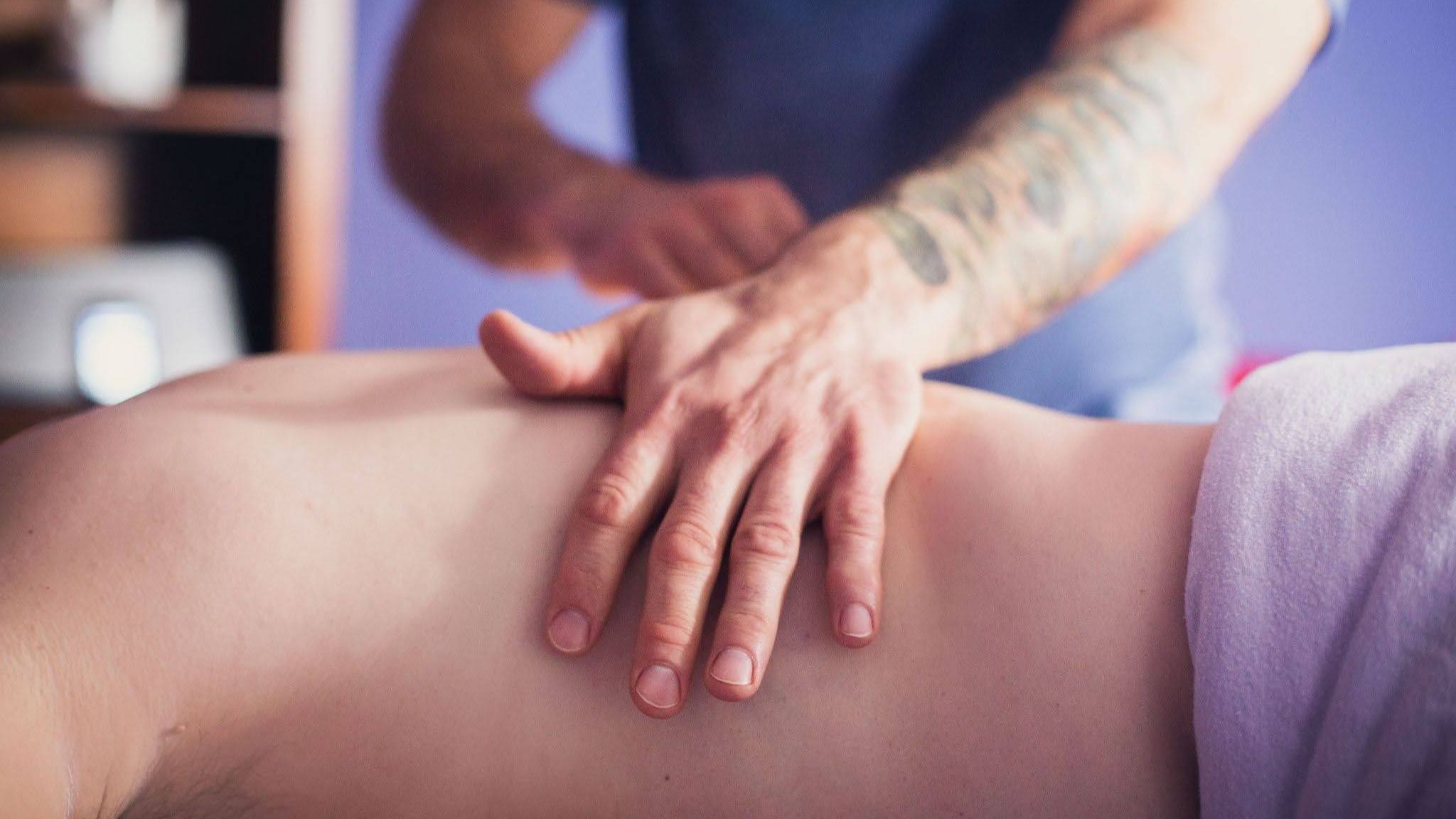
You have neck tension that has been there for months. Or a hip that locks up when you sit too long. Or lower back pain that a regular massage temporarily softens but never quite resolves. You know you need hands-on work, but you are not sure whether to book deep tissue, myofascial release, Swedish, or something else entirely.
The short answer: deep tissue massage targets chronic muscle knots and adhesions with firm pressure; myofascial release works on the connective tissue layer surrounding the muscles using slower, sustained holds; and both are components of therapeutic bodywork, a problem-solving approach that combines techniques based on your specific structural needs. The right choice depends on what is driving your pain.
At Energy Matters Acupuncture in Oakland, therapeutic bodywork is offered by Ana Fletes, CMT and Yolanda Cazares, CMT, both specialists who draw on Swedish, deep tissue, shiatsu, myofascial, and lymphatic drainage techniques, sometimes all within a single session, guided by what your body actually needs.
What Is Therapeutic Bodywork, and How Is It Different from a Regular Massage?
Most people use 'massage' and 'bodywork' interchangeably, but they are not the same thing. A relaxation massage prioritizes nervous system calm, stress relief, and general tension release. It is excellent for what it is. Therapeutic bodywork has a different orientation entirely.
Therapeutic bodywork is a problem-solving approach. Your therapist's goal is not just to make you feel relaxed while you are on the table. It is to identify structural dysfunction, address its root cause, and create measurable change in your pain, mobility, and function. That means the session is more interactive, more assessment-driven, and the techniques used will vary depending on what they find.
All bodyworkers at Energy Matters are massage therapists, but not all massage therapists specialize in therapeutic bodywork. The distinction matters when you are dealing with chronic pain, repetitive stress injuries, sports injuries, post-surgical recovery, or any condition where the goal is structural change rather than stress reduction. Sessions are $150 and can be booked directly or as a complement to orthopedic acupuncture, which pairs exceptionally well with hands-on bodywork for complex or chronic musculoskeletal cases.
What Is Deep Tissue Massage?
Deep tissue massage targets the deeper layers of muscle tissue and the connective tissue surrounding it. The therapist uses slow, firm strokes, often with fingers, knuckles, elbows, or forearms, to work into areas of chronic tension, break up adhesions, and restore circulation to muscles that have become locked in guarded or shortened patterns.
It is not simply a harder Swedish massage, though that misconception is common. The direction of pressure matters as much as the depth. Therapists often work across the grain of the muscle fibers, or at specific angles relative to the tissue, to create the release needed.
Deep tissue massage is generally a strong fit when you have:
- Muscle knots or trigger points that are clearly palpable and localized
- Post-exercise soreness or delayed onset muscle soreness from training
- Sports injuries involving muscle strains or repetitive stress patterns
- Chronic tension in the neck, shoulders, or upper back from desk work or posture
- General stiffness and tightness that responds to direct pressure
You might feel some soreness in the 24 to 48 hours after a deep tissue session as the muscles process the work, similar to how you feel after an intense workout. This is normal and typically resolves quickly.
Book Your Free Consultation Today
Ready to take the next step in your health journey? Schedule a free 15-minute consultation to discuss your wellness goals with our clinic manager.
Book NowWhat Is Myofascial Release?
Myofascial release works on the fascia, the web-like layer of connective tissue that surrounds every muscle, bone, nerve, and organ in the body. Healthy fascia glides smoothly and allows the muscles to function without restriction. When fascia becomes restricted through injury, inflammation, repetitive strain, poor posture, or surgery, it creates a pulling sensation throughout the body that feels like tightness but does not fully release with standard massage.
The technique is fundamentally different from deep tissue work. Instead of firm moving strokes, myofascial release uses gentle, sustained pressure held for 90 seconds or more, allowing the fascia to gradually soften, elongate, and rehydrate. Patients often describe the sensation as a deep melting or stretching feeling rather than the focused pressure of deep tissue.
Myofascial release tends to be particularly effective for:
- Chronic pain that has not responded well to standard massage
- Postural imbalances and long-standing movement restrictions
- Conditions like fibromyalgia, plantar fasciitis, and IT band syndrome
- Post-surgical scar tissue and restricted mobility after procedures
- Tension patterns that feel widespread and diffuse rather than localized
Because it works on connective tissue rather than muscle directly, myofascial release can reach patterns of restriction that deep tissue massage alone cannot address. It is often described as more suitable for chronic or complex cases, while deep tissue is more targeted for acute tension and localized knots.
When Do You Need Both?
In practice, the most effective therapeutic bodywork sessions often use both approaches together, and that is exactly how trained specialists like Ana and Yolanda at Energy Matters work. Starting with myofascial release softens and lengthens the fascial layer, which makes it significantly easier to access the deeper muscle tissue underneath without causing unnecessary discomfort. Once the fascia has been addressed, deep tissue work can go further and with less resistance.
Think of it like trying to smooth out a knotted rope. If the outer casing is twisted and constricted, you cannot effectively work on the fibers inside. Release the casing first, then address the interior tension.
This combined approach is also why therapeutic bodywork at Energy Matters pairs so naturally with orthopedic acupuncture. Acupuncture addresses the neurological and systemic contributors to pain and tension while bodywork works directly on the structural tissue. Patients using both modalities concurrently often progress faster and hold their improvements longer than with either approach on its own.
Other Techniques Used in Therapeutic Bodywork
Deep tissue and myofascial release are two of the most well-known techniques, but a skilled therapeutic bodywork specialist draws on a wider toolkit. At Energy Matters, sessions may also incorporate:
Swedish massage: The foundational technique using long, flowing strokes to warm the tissue, improve circulation, and calm the nervous system. Often used to open a session before more targeted work.
Shiatsu: A Japanese bodywork technique that uses finger and palm pressure along the body's energy meridians, similar in philosophy to acupuncture. Ana Fletes incorporates shiatsu alongside Swedish and deep tissue in her work.
Lymphatic drainage: Gentle, rhythmic strokes that support the movement of lymphatic fluid, reduce swelling, and support immune function. Particularly useful after surgery or for conditions involving chronic inflammation.
Oncology massage: A specialized approach adapted for patients undergoing cancer treatment or in recovery, with modified pressure and positioning to ensure safety and comfort. Both Ana and Yolanda have experience in this area.
Prenatal massage: Adapted techniques to address the specific needs of pregnant patients, with attention to positioning and pressure points that require modification during pregnancy.
The right combination of these techniques in any given session depends on the patient's intake, goals, and what the therapist assesses on the table. This is the core of therapeutic bodywork as a discipline: individualized treatment, not a fixed menu of strokes applied the same way every time.
Therapeutic Bodywork in Oakland: What to Expect at Energy Matters
If you are looking for a therapeutic bodywork specialist in Oakland or searching for massage Oakland for something more targeted than a standard relaxation massage, the intake process at Energy Matters reflects the clinical approach the team brings to this work.
Your first session begins with a conversation about where you are feeling pain or restriction, what activities aggravate it, and any relevant health history including injuries, surgeries, or chronic conditions. Your therapist uses this to select the right combination of techniques and focus areas for that session, and to track change over subsequent visits.
Sessions are $150 and are available as standalone appointments or as part of an integrated care plan alongside acupuncture. For patients dealing with complex or persistent musculoskeletal issues, combining bodywork with Kari Napoli's orthopedic acupuncture is a particularly effective combination that the team actively coordinates.
Frequently Asked Questions
Q: What is the difference between therapeutic bodywork and regular massage?
Regular massage typically focuses on relaxation, stress relief, and general muscle tension. Therapeutic bodywork is a problem-solving clinical approach that uses multiple techniques, including deep tissue, myofascial release, shiatsu, and lymphatic drainage, to address structural pain, restore mobility, and produce lasting functional change. The session is more assessment-driven and individualized than a standard massage.
Q: Is myofascial release painful?
Myofascial release is generally not painful. It uses gentle, sustained pressure held for 90 seconds or more, and the sensation is typically described as a deep stretch or melting feeling rather than the sharper intensity of deep tissue work. Some patients with very restricted fascia may notice a mild discomfort as the tissue releases, but this is different from the soreness that sometimes follows deep tissue massage.
Q: How do I know if I need a deep tissue massage or myofascial release?
If you have clearly localized muscle knots, post-workout soreness, or tension that responds to direct pressure, deep tissue is usually a good fit. If you have chronic pain that has not responded well to regular massage, widespread tightness, postural restrictions, or scar tissue from surgery or injury, myofascial release is likely more appropriate. In practice, a skilled therapeutic bodywork specialist will assess your specific pattern and use whichever approach, or combination of approaches, best fits what they find.
Q: How many sessions does therapeutic bodywork take to see results?
Many patients notice meaningful improvement in pain and mobility after one to three sessions for acute issues. Chronic pain patterns that have been present for months or years typically require a longer series of sessions, often six to twelve, to achieve lasting change. Your therapist will assess progress at each visit and adjust the treatment plan accordingly.
Q: Can therapeutic bodywork be combined with acupuncture?
Yes, and the combination is particularly effective for complex musculoskeletal conditions. At Energy Matters, bodywork and orthopedic acupuncture are often recommended together. Acupuncture addresses pain signaling, inflammation, and the neurological patterns that maintain guarding and tension, while bodywork works directly on the structural tissue. Patients using both together typically progress faster and hold improvements longer.
Q: What conditions does therapeutic bodywork treat?
Therapeutic bodywork is effective for sports injuries, repetitive stress injuries, chronic back and neck pain, shoulder and hip restrictions, post-surgical recovery, fibromyalgia, plantar fasciitis, IT band syndrome, scar tissue, and general musculoskeletal dysfunction. It is also used for prenatal support, oncology care, and lymphatic health. If you are unsure whether your condition is a good fit, a free 15-minute consultation with the intake coordinator at Energy Matters can help clarify options.
Q: What is the difference between a therapeutic bodywork specialist and a general massage therapist?
All therapeutic bodywork specialists are licensed massage therapists, but they have additional training and clinical focus in structural pain, anatomy, and the problem-solving approach that distinguishes therapeutic work from relaxation massage. At Energy Matters, Ana Fletes and Yolanda Cazares have backgrounds that include dance, yoga, post-operative recovery, scar tissue work, and oncology massage, reflecting the clinical depth that therapeutic bodywork requires.
Get Personalized Health Guidance
Looking to improve your wellbeing? Reach out to schedule an appointment for tailored health advice and to start getting relief soon.
Book Now