
Daily Habits to Amplify Your Acupuncture Results at Home
Mar 05, 2026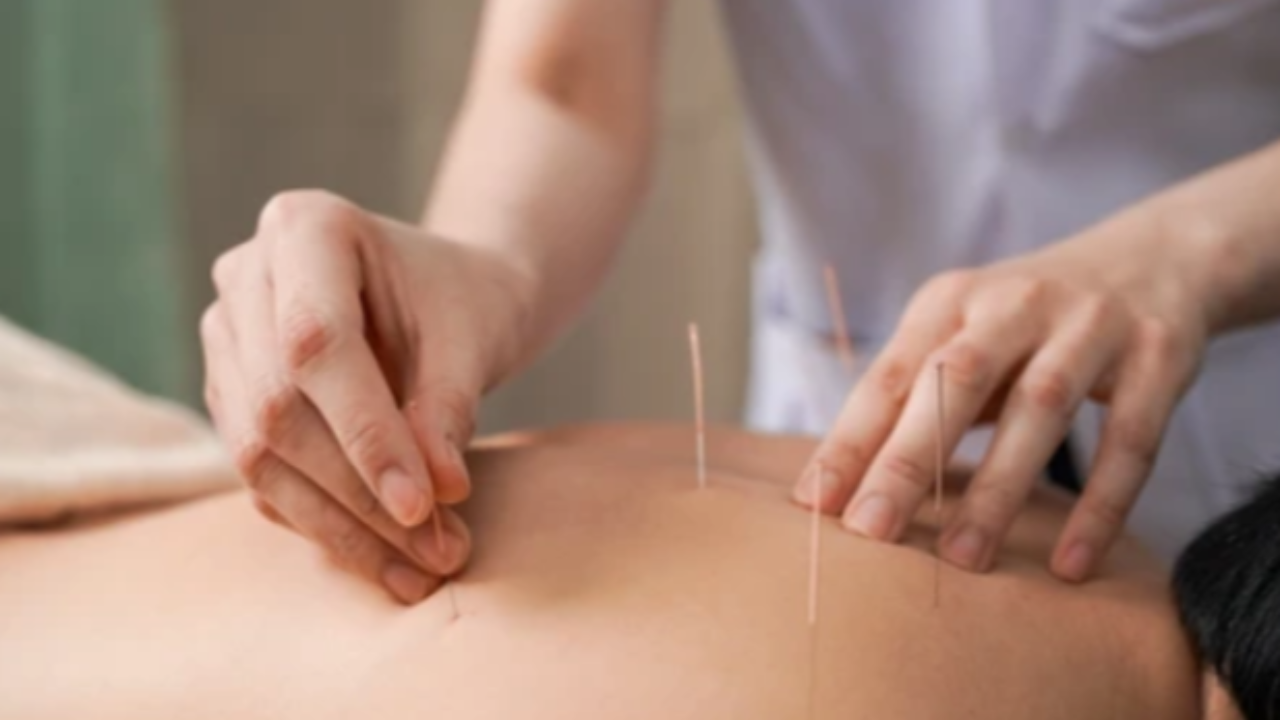
You leave your acupuncture appointment feeling lighter. The tension in your shoulders has softened, your mind is quieter, and there is a warmth moving through your body that is difficult to describe but unmistakably real. Then life resumes, the commute, the screens, the deadlines, the disrupted sleep and within a few days that feeling begins to fade.
Here is what most people do not realize: acupuncture is not a passive treatment you simply receive and then wait for results. It is a catalyst. The needles initiate a shift in your body's energy, nervous system, and internal chemistry, but what you do in the hours and days following a session either reinforces that shift or quietly undoes it. The good news is that a handful of consistent daily habits can dramatically extend, deepen, and compound your results between appointments.
At Energy Matters Online, we draw on the full wisdom of Chinese medicine and acupuncture to help our students and clients build home practices that make every treatment count far more. The following habits are grounded in that same tradition.
Understand What Acupuncture Is Actually Doing
Before building habits to support your treatment, it helps to understand the mechanism you are supporting. In the framework of Chinese medicine and acupuncture, the body is mapped by a network of meridian energetic pathways through which qi, or vital life-force, flows. When qi becomes stagnant, deficient, or imbalanced, physical and emotional symptoms arise. Acupuncture needles are placed at specific points along these meridians to restore flow, clear blockages, and rebalance the system.
From a biomedical perspective, acupuncture is shown to stimulate the central nervous system, regulate cortisol and other stress hormones, promote circulation, and trigger the release of endorphins and anti-inflammatory compounds. Whether you relate more to the energetic or the physiological explanation, both frameworks agree on one thing: the body needs time, rest, and supportive inputs to consolidate the changes that acupuncture initiates.
Prioritize Rest After Your Appointment
The single most important thing you can do after an acupuncture session is rest. This is not optional, it is therapeutic. The treatment has just asked your body to do significant internal work: rerouting energy, calming the nervous system, releasing stored tension. Pushing straight back into intense exercise, emotionally demanding conversations, or a long workday immediately after treatment actively interrupts this process.
Wherever possible, schedule your acupuncture appointments at times that allow you at least an hour of quiet afterward. Take a gentle walk, sit in a park, or simply rest at home. If you practice qigong or gentle stretching, these are ideal post-acupuncture activities because they support qi circulation without overstimulating the body.
Stay Warm and Protect Your Body from Cold
In Chinese medicine and acupuncture, cold is considered an external pathogenic factor that can penetrate the body through the skin and joints, causing qi and blood to stagnate. After an acupuncture session, the body's pores are thought to be more open and temporarily more vulnerable. Practitioners often advise avoiding cold showers, cold beverages, air conditioning, and cold outdoor air directly after treatment.
This principle extends into daily life as well. Keeping your lower back, neck, and feet warm the areas most susceptible to cold invasion according to Chinese medicine supports the free flow of qi that acupuncture works to establish. Simple habits like wearing socks to bed, avoiding iced drinks, and layering appropriately in cold weather can make a meaningful difference in how well your treatments hold.
Nourish Your Body with Warming, Whole Foods
Chinese medicine and acupuncture have always been inseparable from dietary wisdom. Food is considered medicine in this tradition, and what you eat directly influences the quality and quantity of qi and blood in your body. Cold, raw, and heavily processed foods are thought to burden the digestive system referred to in Chinese medicine as the Spleen and Stomach network and dampen the digestive fire needed to transform food into usable energy.
To support your acupuncture results, focus on warm, cooked, whole foods. Soups, stews, lightly steamed vegetables, whole grains, and warming spices like ginger, cinnamon, and turmeric are all excellent choices. Avoid skipping meals, which depletes qi, and minimize alcohol and excessive caffeine in the days following treatment, as both can disrupt the settled, balanced state that acupuncture creates.
Build a Simple Acupressure Practice
Acupressure is acupuncture's close sibling the same meridian points, stimulated by finger pressure rather than needles. Incorporating a brief daily acupressure routine into your mornings or evenings is one of the most direct ways to maintain the energetic work your practitioner begins in the treatment room.
A few key points are worth learning for home use. Stomach 36, located just below the knee on the outer edge of the shin, is one of the most powerful points in the entire acupuncture system for building energy and supporting digestion. Pericardium 6, located on the inner wrist two finger-widths above the wrist crease, is renowned for calming the mind and relieving anxiety. Large Intestine 4, in the web between the thumb and index finger, is widely used for stress, headaches, and general tension relief. Applying firm, circular pressure to each of these points for one to two minutes daily can meaningfully extend the benefits of your professional acupuncture sessions.
Regulate Your Sleep and Stress
Chinese medicine and acupuncture place enormous emphasis on the body's natural rhythms. The meridian clock, a concept in which different organ systems are most active during specific two-hour windows of the day, reflects an understanding that the body has built-in cycles of activity and repair. Sleep, particularly between 11 p.m. and 3 a.m., is considered the peak period for liver and gallbladder restoration, making consistent, early sleep one of the most powerful habits you can cultivate to support your acupuncture outcomes.
Chronic stress is equally disruptive. Stress causes qi to stagnate particularly in the liver meridian, which is one of the most common patterns acupuncturists treat. Journaling, gentle breathwork, time in nature, or even simply reducing screen time in the evening are all practices that reduce stress accumulation and help maintain the internal calm that acupuncture restores.
Stay Hydrated and Support Circulation
Water is essential to every physiological process that acupuncture stimulates from lymphatic drainage to nutrient delivery to the flushing of inflammatory compounds. Drinking adequate warm or room-temperature water in the day or two following a session supports the body's ability to complete the detoxification and recalibration processes that treatment initiates.
Light movement, gentle walks, stretching, or qigong is equally valuable for maintaining the circulation that acupuncture promotes. The key word is gentle. The goal in the days following treatment is to sustain movement and flow without over-taxing a system that is actively integrating change.
Make Acupuncture Part of a Larger Wellness System
The most powerful shift you can make is to stop thinking of acupuncture as an isolated appointment and start thinking of it as the anchor of a broader, daily wellness practice. Chinese medicine and acupuncture were never designed to be standalone interventions, they were always embedded in a complete lifestyle framework that included diet, movement, sleep, emotional regulation, and seasonal awareness.
When you build daily habits that align with these principles, every acupuncture session you receive lands in a more receptive body and produces results that last longer, go deeper, and compound over time. Your practitioner plants a seed with each treatment. Your daily habits determine whether that seed grows.
Explore the resources at Energy Matters Online to learn how qigong, breathwork, and chinese medicine and acupuncture principles can support a home practice that makes every treatment count.
Frequently Asked Questions
-
How soon after acupuncture should I start implementing these daily habits?
You can begin immediately in fact, the period right after a session is the most important window to protect. Rest on the day of your treatment, keep yourself warm, eat a nourishing meal, and avoid alcohol and strenuous activity. The dietary, sleep, and acupressure habits described in this article can be built gradually over the days and weeks following your first session. You do not need to overhaul everything at once. Start with one or two changes and build from there.
-
Can I exercise after an acupuncture appointment?
Light, gentle movement like walking, stretching, or qigong is perfectly appropriate and even beneficial after acupuncture, as it supports qi circulation. However, intense exercise, running, heavy lifting, high-intensity interval training is best avoided for at least a few hours after treatment, and ideally for the rest of the day. Intense exertion can scatter the qi that acupuncture has just worked to organize and balance, reducing the depth and duration of your results.
-
How does diet affect my acupuncture results?
Significantly. In Chinese medicine and acupuncture, the digestive system is considered the foundation of all energy production in the body. If your diet is burdening digestion through excessive cold, raw, processed, or greasy foods your body has fewer resources available to heal and rebalance. Warming, whole-food meals support the digestive fire that transforms food into qi and blood, giving your acupuncture treatments far more to work with.
-
What is acupressure and is it safe to do at home?
Acupressure is the application of firm finger pressure to the same meridian points used in acupuncture. It is entirely safe to practice at home and requires no tools or training beyond a basic understanding of point locations. While it is less potent than acupuncture needling, regular acupressure between appointments helps maintain meridian flow, reinforce the work of your practitioner, and address acute symptoms like headaches, anxiety, or digestive discomfort as they arise.
-
How many acupuncture sessions do I need before seeing lasting results?
This varies considerably depending on the condition being treated, how long it has been present, and the overall health of the individual. Acute issues a recent injury or a cold, for example, may resolve in one to three sessions. Chronic or complex conditions typically require a series of weekly or bi-weekly treatments before results become stable and lasting. The daily habits in this article are particularly valuable for chronic conditions, because they accelerate the body's response to each treatment and reduce the total number of sessions needed.
-
Is it normal to feel tired or emotional after acupuncture?
Yes, and both are actually signs that the treatment is working. Fatigue after acupuncture reflects the significant internal activity your body is engaged in recalibrating the nervous system, releasing held tension, and redistributing energy. Emotional release is equally common, as acupuncture can move qi that has been suppressing or storing unresolved emotional states. Both responses typically pass within twenty-four hours, especially if you rest, hydrate, and give your body the space it needs to integrate the shift.
-
Can Chinese medicine and acupuncture principles be applied without seeing a practitioner?
Many of the principles of chinese medicine and acupuncture dietary wisdom, acupressure, sleep regulation, seasonal awareness, and qi-cultivating movement practices like qigong can be learned and applied independently at home. These self-care tools are a meaningful part of the tradition and were always intended to be practiced daily by ordinary people, not reserved exclusively for clinical settings. That said, for specific health concerns, working with a licensed acupuncturist who can provide individualized diagnosis and treatment is always recommended.
-
How does Energy Matters Online support people who want to deepen their acupuncture results at home?
Energy Matters Online offers qigong online programs, educational resources grounded in Chinese medicine and acupuncture principles, and practical guidance on building a home wellness practice that complements professional treatment. Our content is designed to bridge the gap between the acupuncturist's treatment room and everyday life, giving you the tools to support your body's healing process daily, not just during appointments.
Get Personalized Health Guidance
Looking to improve your wellbeing? Reach out to schedule an appointment for tailored health advice and to start getting relief soon.
Book Now