
5 Myths about Orthopedic Acupuncture Oakland Patients Still Believe
Sep 25, 2026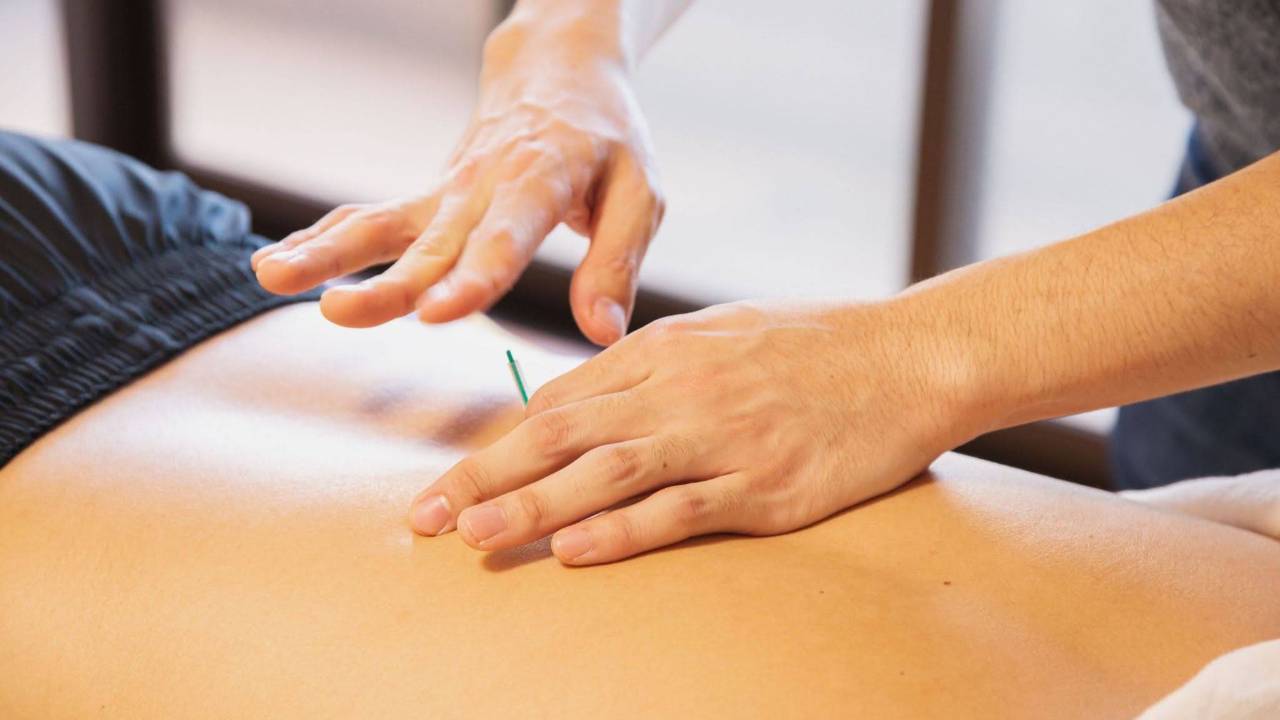
If you've been dealing with a stubborn shoulder injury, chronic knee pain, or a sports-related strain, you've probably heard plenty of opinions about orthopedic acupuncture. Some of it is useful. A lot of it isn't.
Orthopedic acupuncture is a specialized, evidence-informed treatment for musculoskeletal pain, not a painful last resort or a substitute for real medical care. It combines traditional needling techniques with a working knowledge of anatomy, joint mechanics, and injury patterns, and it's often used alongside physical therapy, chiropractic care, or post-surgical recovery plans rather than instead of them.
Still, a handful of myths keep patients in Oakland from trying it, or from getting the most out of it once they start. Here are five of the most common ones, and what's actually true.
Myth #1: Orthopedic Acupuncture Hurts as Much as a Shot
This is the myth that keeps the most people out of the treatment room. Acupuncture needles aren't hollow, and they aren't built to inject anything. They're solid, hair-thin, and flexible, closer in width to a strand of hair than to anything you'd get at a doctor's office.
Most patients feel a light pinch on insertion, if they feel anything at all, followed by a dull ache, warmth, or heaviness around the point. That sensation usually fades within seconds. It's common for patients to relax so completely during a session that they doze off on the table.
Orthopedic acupuncture also uses dry needling techniques for tight, irritated muscle tissue. That can create a brief twitch response, which some patients describe as a quick, deep ache rather than sharp pain. It's uncomfortable for a moment, not painful in the way most people expect.
Myth #2: It's Just Regular Acupuncture With a Different Name
Not every acupuncturist practices orthopedic acupuncture, and that distinction matters. General acupuncture addresses a wide range of concerns, from stress to digestion to sleep. Orthopedic acupuncture is a specialized branch focused specifically on musculoskeletal pain and injury, and it draws heavily on modern anatomy, physiology, and orthopedic assessment.
At Energy Matters, orthopedic acupuncture in Oakland is led by Kari Napoli, L.Ac., who trained specifically in sports medicine and structural pain. A typical session might start with a posture assessment or strength testing before any needles come out, so treatment targets the actual source of your pain, not just the spot where it hurts.
Sessions often combine traditional acupuncture points with dry needling, neuro or scalp acupuncture, microcurrent, cupping, gua sha, or myofascial work, depending on what your body needs that day. Two people with knee pain might get very different treatment plans.
Myth #3: Is Orthopedic Acupuncture Only for Chronic Pain?
No. Orthopedic acupuncture treats acute injuries as well as long-standing chronic pain, and in many cases it works best when started early.
It's easy to assume acupuncture is something you turn to after months or years of pain, once other options have run out. In practice, it's just as useful right after an injury happens.
Orthopedic acupuncture is commonly used for sports injuries, repetitive stress injuries like tennis elbow or carpal tunnel symptoms, sprains and strains, and pre- and post-surgical care. Athletes use it to recover faster between training blocks. Office workers use it for the shoulder and wrist pain that builds up from repetitive movement. Patients preparing for or recovering from orthopedic surgery use it to manage pain and support tissue healing.
Chronic conditions like arthritis and long-term back pain absolutely respond to acupuncture for orthopedic pain too. But waiting until pain becomes chronic isn't necessary, and it isn't the point.
Book Your Free Consultation Today
Ready to take the next step in your health journey? Schedule a free 15-minute consultation to discuss your wellness goals with our clinic manager.
Book NowMyth #4: You Have to Choose Between Acupuncture and Physical Therapy
Some patients think starting acupuncture means dropping their physical therapist, chiropractor, or massage therapist. It's usually the opposite. Orthopedic acupuncture works well as one part of a larger recovery plan, not a replacement for it.
Treatment is often used alongside physical therapy, chiropractic care, and therapeutic bodywork, and it's a reasonable option for people who can't tolerate more invasive treatments like cortisone injections or surgery, or who want to try something first. If you aren't currently working with a physical therapist, your orthopedic acupuncturist will typically assign home exercises to support what's happening in session.
Progress is tracked the same way a PT would track it: strength, coordination, range of motion, and how you're actually functioning day to day, not just whether the pain is gone for an afternoon.
Myth #5: Does Orthopedic Acupuncture Only Work if You Believe in It?
No. Acupuncture's effects don't depend on whether you're a believer or a skeptic. Studies using imaging and animal models have shown measurable physiological changes after treatment, not just a placebo response.
Plenty of patients walk in unconvinced and walk out surprised. That's fine. Orthopedic acupuncture works by stimulating nerves, muscle tissue, and connective tissue in ways that influence blood flow, inflammation, and the body's own pain-modulating systems. None of that requires faith.
There's also a whole-person piece to it. Chinese medicine treats pain as connected to sleep, stress, and mood, not as an isolated symptom. A treatment plan for orthopedic pain might also touch on those areas, because poor sleep and high stress genuinely slow down healing. That's a clinical observation, not a mindset requirement.
Skepticism is a completely reasonable place to start. It doesn't need to be resolved before the treatment can help.
Ready to Get Real Answers About Your Pain?
Myths tend to stick around because pain makes people cautious, and caution is fair. But orthopedic acupuncture in Oakland isn't a mystery treatment or a leap of faith. It's a specific, structured approach to musculoskeletal pain built on assessment, technique, and follow-through.
If you're dealing with an injury, chronic pain, or something in between, Kari Napoli and the team at Energy Matters can walk you through what treatment would actually look like for your body. You can review our full orthopedic acupuncture services or book an orthopedic acupuncture appointment directly, and ask as many questions as you need to along the way.
Frequently Asked Questions
Q: How many orthopedic acupuncture sessions will I need?
A: It depends on how long you've had the injury and how your body responds, but many patients notice improvement within 3 to 6 sessions for acute issues. Chronic conditions often need a longer course, sometimes 8 to 12 sessions, spaced weekly or every other week. Your acupuncturist will reassess your progress regularly and adjust the plan as you go.
Q: Is orthopedic acupuncture covered by insurance?
A: Coverage varies by provider and plan, so it's worth calling your insurance company directly to ask about acupuncture benefits. Some plans, including certain VA CCN referrals, are accepted at Energy Matters. Our front desk team can also help you understand your options before your first visit.
Q: What's the difference between orthopedic acupuncture and dry needling?
A: Dry needling is one technique used within orthopedic acupuncture, targeting tight or irritated muscle tissue to release tension. Orthopedic acupuncture is broader, combining dry needling with traditional acupuncture points, myofascial work, and other modalities based on a full assessment of your posture, strength, and injury pattern.
Q: Can orthopedic acupuncture help with sports injuries?
A: Yes. It's commonly used for sprains, strains, tendinitis, and repetitive stress injuries in both weekend athletes and competitive ones. Many patients use it to recover faster between training cycles or to manage nagging pain that hasn't responded well to rest alone.
Q: Will I need to stop physical therapy or chiropractic care to start acupuncture?
A: No. Orthopedic acupuncture is typically used alongside physical therapy, chiropractic care, or bodywork, not as a replacement. If you're not currently seeing a physical therapist, your acupuncturist may assign exercises to support your treatment between sessions.
Q: What should I expect at my first orthopedic acupuncture appointment?
A: Your first visit usually includes a discussion of your injury or pain history, a posture and strength assessment, and a treatment plan tailored to what's found. Needling typically follows, sometimes alongside cupping, gua sha, or microcurrent depending on your needs. Most sessions run 45 minutes to an hour.
Q: Is orthopedic acupuncture safe if I've already had surgery?
A: Yes, it's often used for both pre- and post-surgical care to manage pain, reduce swelling, and support tissue healing. Your acupuncturist will coordinate treatment around your surgical timeline and any restrictions from your surgeon.
Q: How is orthopedic acupuncture in Oakland different from acupuncture at a general wellness clinic?
A: A general wellness session might focus on relaxation, stress, or overall balance, while orthopedic acupuncture is specifically built around musculoskeletal assessment and injury recovery. At Energy Matters, this care is led by a practitioner trained in sports medicine and structural pain, using techniques suited to joints, tendons, and muscle tissue rather than general wellness goals alone.
Get Personalized Health Guidance
Looking to improve your wellbeing? Reach out to schedule an appointment for tailored health advice and to start getting relief soon.
Book Now