
Acupuncture for Fertility and Hormonal Balance: What Chinese Medicine Says About Reproductive Health
Apr 10, 2026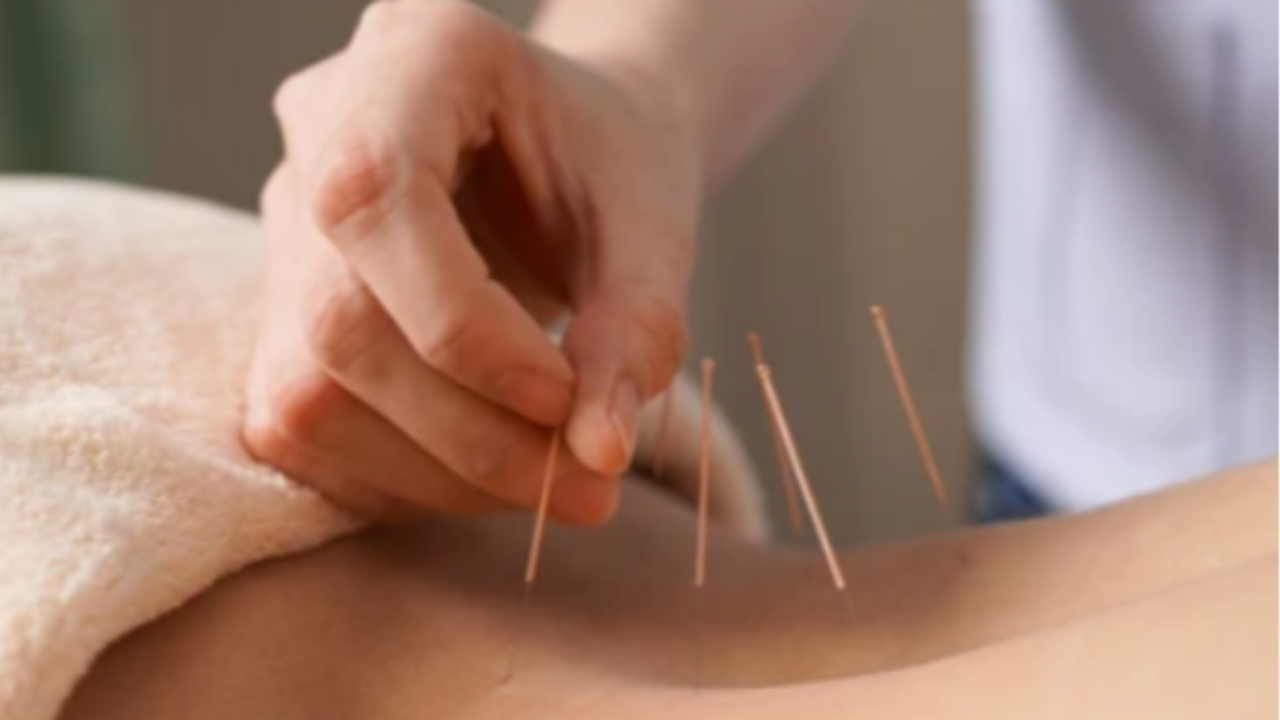
If you have been navigating fertility challenges or dealing with hormonal shifts that leave you feeling off, you are not alone. Many people quietly carry the weight of irregular cycles, unexplained infertility, or hormonal imbalances for months or even years before they start exploring options beyond conventional medicine. Chinese medicine acupuncture has been used for thousands of years to support reproductive health, and today it is gaining serious attention as a meaningful part of holistic fertility support.
At Energy Matters Acupuncture and Qigong in Oakland, CA, our practitioners take a whole-person approach to your health. Whether you are trying to conceive, managing PCOS, dealing with acupuncture for irregular periods, or simply trying to feel more balanced, we look at the full picture of what is going on in your body.
How Chinese Medicine Views Reproductive Health
In Chinese medicine, the body operates through a network of energy pathways called meridians. Qi (vital energy) and blood flow through these channels, nourishing every organ system. When that flow becomes sluggish, deficient, or stuck, symptoms appear. In reproductive health, this might show up as painful periods, irregular cycles, low libido, difficulty conceiving, or menopausal symptoms that feel unmanageable.
Chinese medicine hormones are not discussed in the same terms as Western endocrinology, but the parallels are real. Practitioners look at the Kidney system (which governs reproductive vitality and aging), the Liver (which regulates the smooth flow of Qi and blood), and the Spleen (which produces the foundational substances that nourish the uterus and ovaries). When these systems are working in harmony, the menstrual cycle flows predictably and fertility is supported naturally.
What Acupuncture for Fertility Actually Involves
Acupuncture for fertility is not a one-size-fits-all protocol. A practitioner will spend real time with you, asking about your cycle length, flow quality, PMS symptoms, stress levels, sleep, digestion, and even your emotional life. All of it matters because in Chinese medicine, the body and mind are never separated.
Needles are placed at specific points along the meridians to encourage the body to regulate itself. For fertility, common treatment goals include improving blood flow to the uterus and ovaries, supporting regular ovulation, reducing stress hormones that can interfere with reproductive function, and preparing the uterine lining for implantation. For those undergoing IVF or IUI, acupuncture is often used in conjunction with those treatments to support outcomes.
It is worth being clear that acupuncture is not a quick fix. Most practitioners recommend consistent treatment over several months, working alongside your gynecologist or reproductive endocrinologist. Think of it as building a foundation rather than flipping a switch.
Acupuncture for Irregular Periods and Hormonal Imbalance
Irregular periods are often the first sign that something in the body is out of balance. Whether cycles come too frequently, too infrequently, or vary wildly from month to month, Chinese medicine looks for the underlying pattern driving the irregularity.
For example, someone with a Liver Qi stagnation pattern might experience cycles that are late, clotty, and come with significant mood changes before the period. Someone with Kidney deficiency might have very short or very light cycles, often alongside fatigue and lower back achiness. These are different patterns requiring different approaches, even though from a Western standpoint both might just be labeled as irregular periods.
Conditions like PCOS and endometriosis also respond to this kind of differentiated care. Chinese medicine aims to address the root cause rather than just managing symptoms. Herbal medicine is frequently used alongside acupuncture to support hormonal regulation between sessions.
The Role of Stress in Reproductive Health
This is something most people already sense but may not fully appreciate: chronic stress is one of the biggest disruptors of hormonal health. When your nervous system is in a persistent state of fight-or-flight, cortisol levels rise, and the hormones responsible for ovulation and cycle regularity can be suppressed or thrown off rhythm.
Acupuncture is well known for its calming effect on the nervous system. Many patients describe feeling deeply relaxed during and after treatments, and over time, that shift in baseline stress response can translate into real changes in cycle regularity and reproductive function. It is one reason why holistic fertility support that incorporates acupuncture often feels different from purely medical approaches.
Who Might Benefit from This Approach
Acupuncture and Chinese medicine for reproductive health can be helpful for people dealing with:
- Irregular or painful menstrual cycles
- PCOS or endometriosis
- Unexplained infertility
- Recurrent miscarriage
- Low AMH or poor ovarian reserve
- IVF or IUI support
- Perimenopause and menopause symptoms
- Hormonal imbalances related to thyroid, adrenal, or other endocrine issues
If any of this sounds familiar, it may be worth consulting with a practitioner who specializes in Chinese medicine near me. At Energy Matters, Prajna Choudhury L.Ac. and Angela Coon, L.Ac., specializes in gynecology, obstetrics, and fertility support, bringing both clinical expertise and a genuinely caring approach to this sensitive area of health.
Taking the Next Step
Reproductive health is deeply personal, and it deserves a care approach that treats you as a whole person, not just a set of lab values. Chinese medicine acupuncture offers a thoughtful, individualized path that works with your body's own rhythms rather than overriding them.
Whether you are just starting to explore your options or have been on this path for a while, Energy Matters is here to support you. Our practitioners bring both expertise and genuine warmth to every appointment. Reach out to us at 510-398-4372 or book online at energymattersonline.com to get started.
Frequently Asked Questions
1. How does acupuncture support fertility?
Acupuncture supports fertility by improving blood circulation to the reproductive organs, regulating the hypothalamic-pituitary-ovarian axis (which controls ovulation), reducing stress hormones, and creating a more favorable environment in the uterus for implantation. It works best as a consistent, ongoing practice rather than a single session.
2. Can acupuncture help with irregular periods?
Yes, acupuncture for irregular periods is one of the most common reasons people seek out Chinese medicine. Practitioners identify the pattern behind the irregularity (such as Liver Qi stagnation, Kidney deficiency, or Blood deficiency) and tailor treatments accordingly. Many patients see their cycles become more predictable over several months of treatment.
3. How is Chinese medicine different from Western medicine for hormones?
Western medicine typically addresses hormonal imbalance through pharmaceutical interventions like birth control, hormone therapy, or fertility medications. Chinese medicine hormones are understood through patterns of organ function and energy flow, aiming to restore the body's own regulatory capacity. Both approaches have their place, and they can work very well together.
4. Is acupuncture safe during pregnancy?
Acupuncture is generally considered safe during pregnancy when performed by a trained and licensed practitioner. Certain acupuncture points are avoided during pregnancy, which is why it is important to work with someone who has specific training in obstetrics. Many people use acupuncture throughout pregnancy to manage nausea, back pain, and anxiety.
5. How many sessions will I need?
There is no universal answer, but for fertility and hormonal concerns, practitioners often recommend weekly sessions for at least three to four menstrual cycles. The reason is that the ovarian follicle development process takes about three months, so consistent treatment over that window gives the body the best chance to respond. Your practitioner will reassess regularly and adjust the plan as your body shifts.
6. Can Chinese medicine help with PCOS?
PCOS (polycystic ovarian syndrome) is one of the conditions that Chinese medicine addresses particularly well. Depending on the presentation, a practitioner might focus on resolving phlegm-damp accumulation, moving Liver Qi, or tonifying Kidney Yang, all of which translate to supporting ovulation, reducing androgen excess, and improving insulin sensitivity through lifestyle and herbal recommendations alongside acupuncture.
7. What role does herbal medicine play alongside acupuncture?
Chinese herbal medicine is often prescribed alongside acupuncture to extend the therapeutic effect between sessions. Herbal formulas are individualized to your pattern and may be adjusted as your cycle changes. They can be especially useful for conditions like low AMH, thin uterine lining, or irregular ovulation where consistent internal support is needed.
8. Should I tell my OB or reproductive endocrinologist I am using acupuncture?
Absolutely. Open communication between your providers is important. Most reproductive endocrinologists are familiar with acupuncture and are supportive of integrative care. Sharing that you are working with a Chinese medicine practitioner ensures everyone is coordinated, especially around timing if you are doing IVF or other assisted reproduction cycles.
9. What does a typical acupuncture session for fertility look like?
Your first session usually begins with an in-depth intake covering your health history, menstrual pattern, lifestyle, and any prior testing you have had. After that, you will lie comfortably on a treatment table while the practitioner places fine, sterile needles at specific points on your body. Most people feel relaxed and many fall asleep. Sessions typically last 45 to 60 minutes. Subsequent visits are shorter on the intake side but still include an updated check-in.
10. How do I find good Chinese medicine acupuncture for fertility near me?
Look for a Licensed Acupuncturist (L.Ac.) with specific training or experience in gynecology and reproductive health. Ask about their approach, how they integrate with your existing medical care, and whether they use herbal medicine. If you are in the Oakland area, Energy Matters Acupuncture and Qigong offers specialized care in this area. You can book a complimentary 15-minute consultation to see if this approach is a good fit for you.
Get Personalized Health Guidance
Looking to improve your wellbeing? Reach out to schedule an appointment for tailored health advice and to start getting relief soon.
Book Now