
Therapeutic Bodywork for Post-Surgical Recovery and Scar Tissue in Oakland
Aug 11, 2026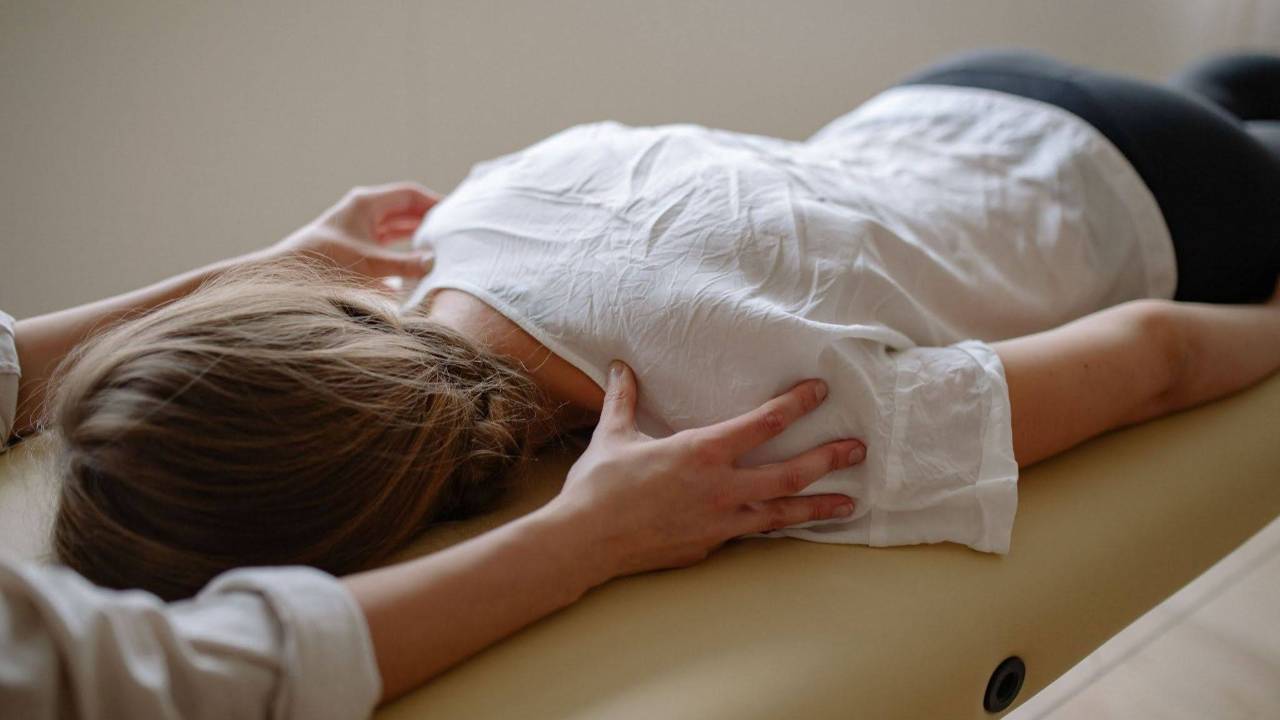
Surgery is only the first step in healing. What happens in the weeks and months afterward, as your body forms scar tissue and rebuilds strength, often determines how well you actually recover. That's where a therapeutic bodywork specialist comes in.
Therapeutic bodywork for post-surgical recovery uses targeted massage techniques, myofascial release, and scar tissue mobilization to reduce adhesions, restore range of motion, and support the body's natural healing process. For patients in Oakland recovering from orthopedic surgery, mastectomy, C-section, or other procedures, working with a trained bodyworker alongside your medical team can shorten recovery time and improve long-term mobility.
What Is Therapeutic Bodywork?
Therapeutic bodywork is a specialized form of massage therapy focused on solving specific physical problems rather than general relaxation. All bodyworkers are trained massage therapists, but not every massage therapist specializes in the structural, problem-solving approach that post-surgical recovery requires.
Unlike a spa massage, therapeutic bodywork is interactive and individualized. Your therapist assesses your posture, range of motion, and areas of restriction, then applies specific techniques such as deep tissue work, Shiatsu, myofascial release, lymphatic drainage, or oncology massage depending on what your body needs. Sessions can feel intense at times, but the goal is always the same: less pain, more mobility, and a body that functions the way it should.
Why Scar Tissue Forms After Surgery, and Why It Matters
Every surgical incision triggers the same biological response. Your body produces collagen to close and strengthen the wound, and that collagen becomes scar tissue. This process can continue for months, and the way those collagen fibers organize themselves determines whether the resulting scar is flexible or restrictive.
When collagen fibers form in a disorganized, tangled pattern, the scar can become thick, tight, and adhered to the muscle or fascia underneath it. That's when patients start noticing problems that seem unrelated to the surgery itself: stiffness in a joint far from the incision, nerve sensitivity, or a nagging pull every time they stretch. Left unaddressed, these adhesions can limit movement for years.
This is especially common after orthopedic procedures, abdominal surgery, and breast surgery, where scar tissue can bind to fascia layers that extend well beyond the visible incision line. A tight scar on the chest, for example, can quietly pull on the shoulder and limit overhead reach long after the wound itself has healed. Catching and addressing these patterns early is one of the main reasons surgeons and physical therapists increasingly refer patients to a therapeutic bodywork specialist as part of a complete recovery plan.
How a Therapeutic Bodywork Specialist Treats Post-Surgical Scars
A skilled therapeutic bodywork specialist uses hands-on techniques to guide collagen fibers into a more organized, flexible pattern while the scar is still forming. This is sometimes called scar tissue mobilization, and it typically includes a combination of approaches:
- Myofascial release to loosen the connective tissue surrounding the scar and free it from underlying muscle
- Manual lymphatic drainage to reduce post-surgical swelling and support the body's fluid balance
- Cross-fiber friction along the scar line to break up early adhesions and improve tissue glide
- Gentle desensitization work for areas with nerve sensitivity or numbness near the incision
- Oncology massage protocols for patients recovering from mastectomy, lumpectomy, or cancer-related surgery
Research published in the Massage Therapy Journal has found that soft-tissue mobilization after surgery is linked to improved scar mobility, reduced pain, and better pressure tolerance in the treated area. Studies on breast cancer surgery specifically have shown that techniques like myofascial massage can meaningfully improve shoulder and upper extremity mobility when scarring restricts movement.
Book Your Free Consultation Today
Ready to take the next step in your health journey? Schedule a free 15-minute consultation to discuss your wellness goals with our clinic manager.
Book NowWhen Should You Start Bodywork After Surgery?
Timing matters. Most practitioners recommend waiting until the incision has fully closed, generally two to four weeks after surgery, before beginning any direct scar work. Your surgeon's clearance always comes first.
That said, recovery support doesn't have to wait that long. In the earlier weeks, a therapeutic bodywork specialist can often work on surrounding areas, such as the shoulder, hip, or back, to relieve compensatory tension that builds up while you're protecting the surgical site. Once your provider gives the green light, direct scar tissue work usually continues on a regular basis for several months, since scars can keep changing and remodeling for up to a year or more after the original procedure.
What to Expect During a Post-Surgical Bodywork Session in Oakland
At Energy Matters Acupuncture & Qigong in Oakland, therapeutic bodywork sessions start with a conversation about your surgery, your surgeon's guidance, and where you're feeling restriction or discomfort. Ana Fletes, one of the clinic's Therapeutic Bodywork specialists, brings direct experience in post-operative recovery, scar tissue work, and oncology massage support, and she tailors each session using Swedish, deep tissue, Shiatsu, and myofascial techniques based on how your body responds.
Your first visit usually includes an assessment of posture, scar mobility, and any compensation patterns that have developed since surgery, things like favoring one side or guarding a joint that isn't actually the problem area. From there, your therapist builds a plan that might combine hands-on scar work with broader bodywork to release tension that has built up elsewhere in the body while you were healing.
Sessions are $150 and typically run about an hour. Progress is tracked through your comfort level, range of motion, and strength over successive visits, not just how the scar looks. You can view current session options and packages on the clinic's treatment packages page.
Combining Bodywork with Acupuncture for a Faster, Fuller Recovery
Therapeutic bodywork doesn't have to work alone. Many patients recovering from surgery pair it with orthopedic acupuncture, which targets inflammation, nerve irritation, and deep muscular tension using fine needles rather than manual pressure. The two approaches complement each other well: bodywork addresses the mechanical restrictions in the tissue, while acupuncture calms the nervous system response around the injury site and can reduce pain signaling.
This combined approach is especially useful for patients recovering from orthopedic procedures like joint replacements or rotator cuff repairs, where both soft tissue mobility and nerve sensitivity are part of the healing picture. If you're already exploring acupuncture for pain relief, ask your practitioner whether adding bodywork to your care plan makes sense for your specific procedure.
Getting Started with a Therapeutic Bodywork Specialist in Oakland
Recovering well after surgery is rarely just about time. It's about giving your body the right kind of hands-on support while it heals. A therapeutic bodywork specialist can help you avoid the long-term stiffness, restricted movement, and lingering discomfort that untreated scar tissue often leaves behind.
If you're recovering from a recent procedure, or you're still dealing with an old surgical scar that never quite loosened up, the practitioners at Energy Matters Acupuncture in Oakland can build a recovery plan around your specific needs. Reach out to schedule a session or a free 15-minute consultation to find out whether therapeutic bodywork is the right next step for your healing.
Frequently Asked Questions
Q: What is a therapeutic bodywork specialist?
A: A therapeutic bodywork specialist is a massage therapist trained in problem-solving techniques like myofascial release, deep tissue work, and scar tissue mobilization, rather than general relaxation massage. They focus on restoring function, reducing pain, and improving range of motion for conditions like post-surgical recovery, chronic pain, and sports injuries.
Q: How soon after surgery can I start scar tissue massage?
A: Most practitioners recommend waiting until your incision is fully closed and cleared by your surgeon, typically two to four weeks after surgery. Starting too early can interfere with wound healing, so always confirm timing with your surgical team before your first session.
Q: Does massage actually help reduce scar tissue after surgery?
A: Research suggests it can. Studies on soft-tissue mobilization have found improvements in scar mobility, pain reduction, and pressure tolerance after surgery, and case studies on breast cancer surgery patients have shown measurable gains in shoulder mobility. Results vary by individual, which is why a personalized approach matters more than a generic routine.
Q: Is therapeutic bodywork painful?
A: It can feel intense, especially when working directly on adhered or restricted scar tissue, but it should never be sharply painful. A qualified therapeutic bodywork specialist adjusts pressure based on your feedback and stops if you experience more than mild discomfort.
Q: How is therapeutic bodywork different from a regular massage?
A: Regular massage is generally focused on relaxation and stress relief. Therapeutic bodywork is interactive and goal-oriented, targeting specific issues like post-surgical scarring, chronic pain, or repetitive stress injuries using techniques such as myofascial release, lymphatic drainage, and cross-fiber friction.
Q: Can therapeutic bodywork help with old surgical scars, not just recent ones?
A: Yes. While early intervention tends to produce the best results, scar tissue can still respond to bodywork months or years after surgery. Older, more established adhesions may take longer to loosen, but many patients still see improved mobility and reduced discomfort.
Q: Should I combine therapeutic bodywork with acupuncture during recovery?
A: Many patients find that combining the two speeds up recovery. Bodywork addresses mechanical restrictions in the tissue while orthopedic acupuncture can calm nerve irritation and reduce inflammation around the surgical site. Ask your practitioner whether a combined plan fits your specific procedure.
Get Personalized Health Guidance
Looking to improve your wellbeing? Reach out to schedule an appointment for tailored health advice and to start getting relief soon.
Book Now