
Qigong in Oakland for Beginners: How Long Until You Feel a Difference?
Oct 16, 2026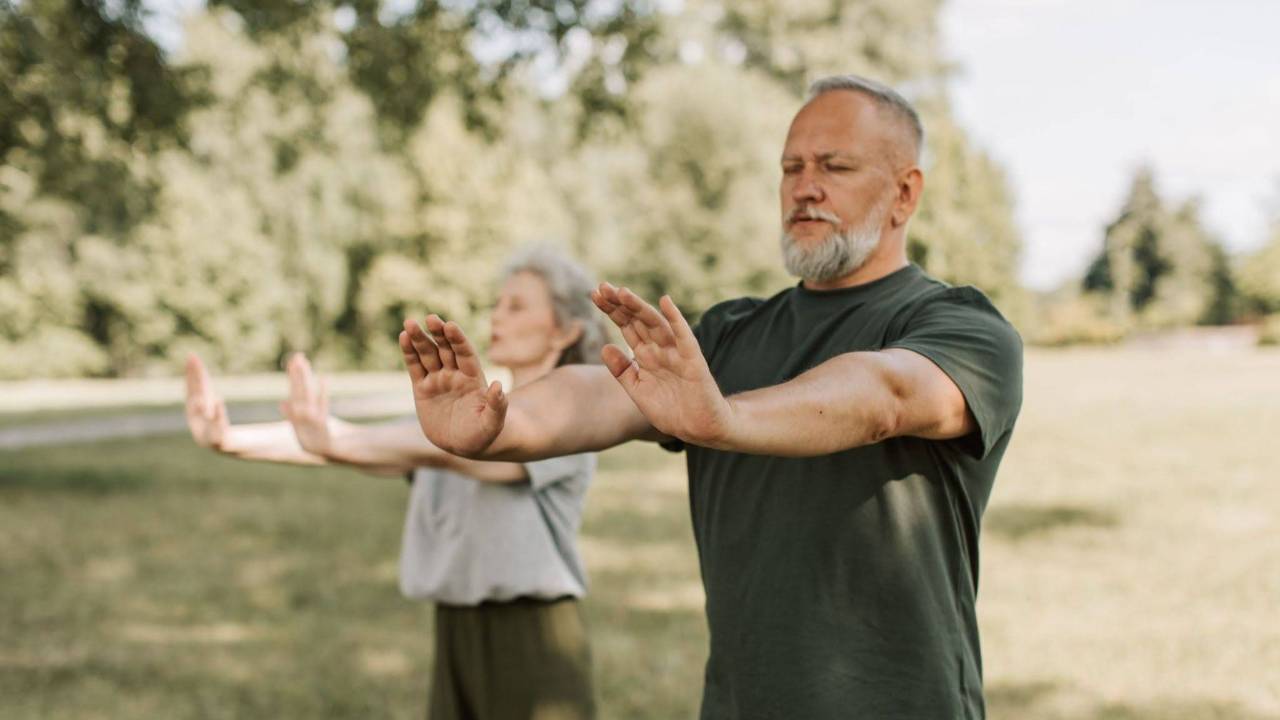
If you've searched qigong Oakland and landed here wondering whether it's worth clearing your Wednesday
evenings, the honest answer is yes, and you'll likely feel it sooner than you expect. Most beginners notice calmer moods and easier sleep within two to four weeks of practicing a couple of times a week. Deeper changes, like less tension in your shoulders or more steadiness through your day, tend to show up around six to eight weeks in. The kind of shift that makes people say they feel like a different person usually takes two to three months of steady practice.
At Energy Matters Acupuncture & Qigong on Piedmont Avenue, qigong classes near downtown Oakland run in nine week sessions, so this timeline lines up well if you're trying to decide how long to commit before you'll actually know it's working.
What Happens in Your First Class?
Nothing dramatic, and that's the point. Your first class is mostly about learning to stand still without fighting yourself. You'll work through slow arm movements, breathe into your belly instead of your chest, and probably realize your shoulders have been up around your ears the whole time without you noticing. Some people feel a faint tingling in their hands. Others just feel a quieter mind on the walk back to the car. Both are normal.
Kirstin Lindquist, L.Ac., who has practiced Chinese medicine for decades and leads the qigong program at Energy Matters, tells first timers not to chase sensations. The goal in week one isn't a breakthrough. It's learning the shape of the practice so your body can start using it on its own.
The Realistic Qigong Timeline, Week by Week
Here's what tends to happen, based on both clinical research on qigong and what students at Energy Matters report back:
- Week 1 to 2: You feel calmer for an hour or two after class, and sleep may improve slightly on practice days.
- Week 3 to 4: That calm starts carrying over into the days you don't practice. Research on qigong and stress shows measurable changes in this window when practice stays consistent.
- Week 6 to 8: Physical changes show up: more range of motion in the shoulders and hips, less stiffness getting out of bed. Studies on qigong for chronic pain and fatigue tend to show solid results around this point too.
- Month 3 and beyond: This is where people describe feeling like themselves again: more energy, a steadier mood, and better sleep most nights instead of just some.
None of this happens if you only show up once. Two classes a week plus a short practice at home moves you through this timeline faster than class alone.
Why Consistency Beats Intensity
A single 90 minute qigong session once a week won't get you the same results as 15 minutes most days. This trips people up who are used to gym culture, where more effort in one sitting equals more progress. Qigong doesn't work that way. It's closer to brushing your teeth than lifting weights. The nervous system responds to repetition, not intensity.
Gail Whang, one of the instructors at Energy Matters and a retired Oakland Unified educator with more than 15 years of qigong practice, builds her intermediate classes around this idea, layering in slightly more complex sequences only once the basics feel automatic. If you can only manage two classes a week and nothing at home, you'll still see results. They'll just take a bit longer to arrive.
Finding Qigong Classes Near Downtown Oakland
Energy Matters holds in person qigong classes at Danspace and Left Coast Yoga, both about five minutes from the clinic on Piedmont Avenue. If getting there doesn't fit your week, the Zoom option delivers the same curriculum, a weekly link, and a library of recorded sessions to fall back on. New students usually start with the beginner First Set before moving into Intermediate or Second Set classes once the fundamentals feel automatic.
There's also a free “Taste of Qigong” video shares with you the movements taught in the first class. if you want to feel out a class before committing to the full nine weeks.
What Slows Progress Down
A few things get in the way more often than people expect. Skipping weeks resets some of the momentum, though not all of it. You don't start completely over, but you do lose ground. Practicing too fast is another common issue: qigong is meant to move slower than feels natural at first, closer to honey than water, and rushing the forms cuts you off from the parts of the practice that actually calm the nervous system.
Chasing a specific sensation, like heat or tingling, can also backfire, since it pulls your attention away from your breath and into your own head. If you want a deeper background on what's actually happening in the body during practice, this beginner's guide to qigong is a good place to start. The people who progress fastest treat qigong as a habit, not a project with a finish line.
Start Where You Are
You don't need flexibility, athletic ability, or any prior experience to start qigong in Oakland. You need comfortable clothes, about an hour a week, and a willingness to feel a little awkward for the first few sessions. If sleep, stress, or stiffness have been dragging on you, the qigong classes at Energy Matters Acupuncture & Qigong are built for exactly that. Sign up for a free warm-up session or call 510-597-9923 to find a class time that works with your week.
Book Your Free Consultation Today
Ready to take the next step in your health journey? Schedule a free 15-minute consultation to discuss your wellness goals with our clinic manager.
Book NowFrequently Asked Questions
Q: How long does it take to feel the benefits of qigong?
A: Most beginners notice calmer moods and easier sleep within two to four weeks of practicing two or three times a week. Physical changes like better flexibility and less stiffness build over six to eight weeks, with the fullest results showing up around three months of steady practice.
Q: Do I need to be flexible or athletic to start qigong?
A: No. Qigong is one of the most accessible movement practices around because it doesn't demand strength, flexibility, or coordination. The foundational moves can be learned in a single class, and the practice adapts to standing or seated positions.
Q: How often should a beginner practice qigong?
A: Aim for two classes a week plus a short practice at home if you can manage it. Consistency matters more than duration. Fifteen minutes most days will move you further than an hour once a week.
Q: Where are the qigong classes near downtown Oakland held?
A: Energy Matters holds in person qigong classes at Danspace and Left Coast Yoga, both about five minutes from the clinic on Piedmont Avenue. A Zoom option is also available for students who can't make it in person.
Q: What should I wear to a qigong class?
A: Loose, comfortable clothing you can move freely in. Bare feet or flat shoes both work, and no special equipment is required.
Q: Can qigong help with sleep and stress?
A: Yes. Qigong works with the nervous system, and many students report falling asleep more easily and feeling less reactive to daily stress within the first few weeks of consistent practice.
Q: Is there a way to try a class before committing to a full session?
A: Yes. Energy Matters offers a free warm-up session so you can experience a class before signing up for a full nine week program.
Get Personalized Health Guidance
Looking to improve your wellbeing? Reach out to schedule an appointment for tailored health advice and to start getting relief soon.
Book Now