
When to Try Acupuncture for Back Pain Before Considering Surgery
Nov 11, 2026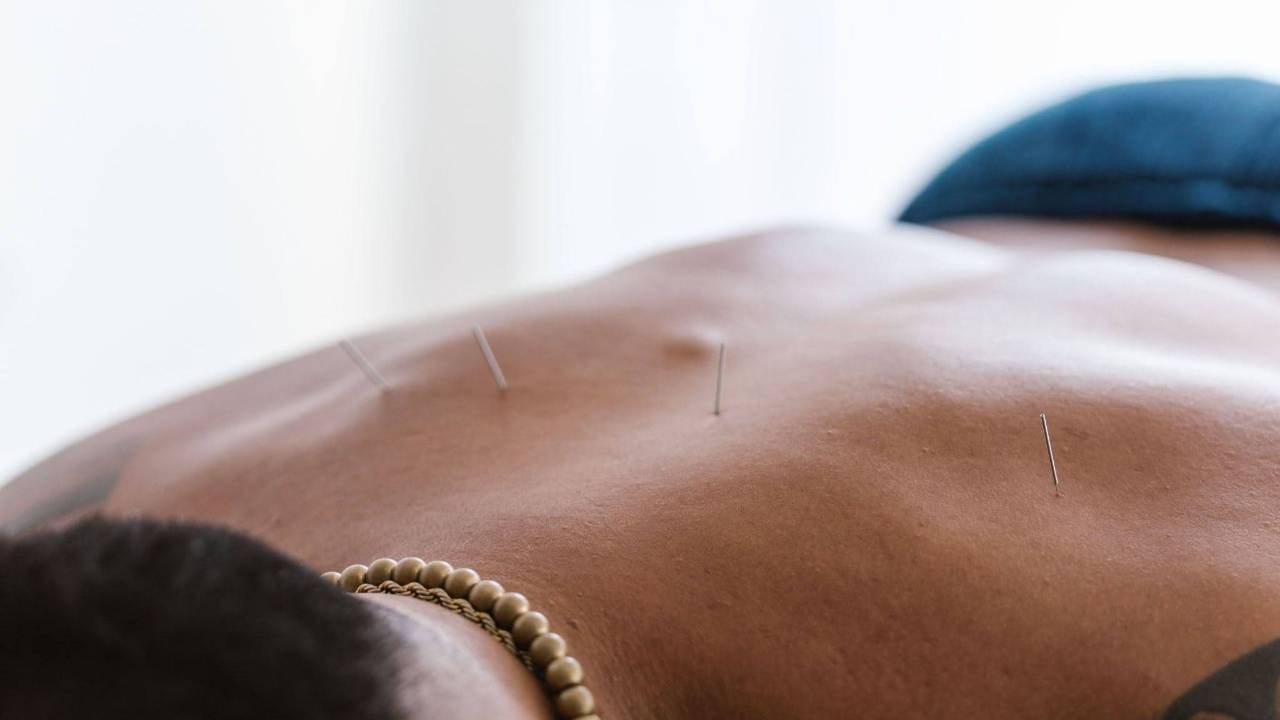
Back pain has a way of making surgery sound like the only answer. Maybe a scan showed a bulging disc, or a friend swears their fusion changed everything. But for most people, surgery isn't the first step, and it often isn't a necessary one. That's where acupuncture for back pain comes in.
Here's the short answer. Acupuncture is worth trying before surgery when your back pain is not caused by an emergency, your nerves are not getting worse, and your doctor agrees that conservative care is reasonable. The American College of Physicians lists acupuncture among the first treatments to try for both short-term and chronic low back pain, before medications. If you have warning signs such as new weakness or loss of bladder control, see a doctor right away instead.
Why Surgery Is Rarely the First Step
Most back pain gets better without an operation. Clinical guidelines point out that new low back pain often improves considerably within about a month, and many people with disc problems recover with time and conservative care. Because of that, many spine specialists recommend trying non-surgical treatment for several weeks before scheduling elective surgery, unless there's an urgent reason not to wait. Surgery also brings recovery time, cost, and its own risks, so ruling out simpler options first protects you whichever way you decide.
Surgery still has an important place. It can be the right call for severe nerve compression, spinal instability, or pain that hasn't responded to a solid course of other care. The goal isn't to avoid surgery at all costs. It's to make sure you've given your body a fair chance first.
How Does Acupuncture for Back Pain Work?
Acupuncture uses thin, sterile needles placed at specific points to reduce pain, relax tight muscles, and calm an overactive nervous system. Research suggests it influences how the body processes pain signals and may improve local blood flow to irritated tissue.
For back pain, a skilled practitioner treats both local points around the spine and hips and distal points on the legs. Orthopedic acupuncture goes a step further: the acupuncturist assesses how you move, finds the specific muscles, joints, or nerves involved, and treats them directly, often with electro-acupuncture or dry needling techniques.
If you've never had acupuncture, the experience is usually calmer than people expect. The needles are much thinner than the ones used for injections, and most patients feel a dull ache or warmth at the point rather than sharp pain. Many people rest quietly for 20 to 30 minutes with the needles in, and some fall asleep. Because acupuncture for back pain carries a low risk of side effects, it's a practical option to try while you and your doctor watch how your symptoms change.
When Should You Try Acupuncture Before Surgery?
Acupuncture before surgery makes the most sense when your situation looks like this:
- Your doctor has ruled out emergencies such as a fracture, infection, or tumor.
- Your pain has lasted a few weeks or several months, but your strength and sensation are stable.
- You've been told surgery is an option, not an urgent necessity.
- You're dealing with muscle strain, a disc bulge, sciatica, facet joint pain, or chronic low back pain.
- You'd like to reduce your reliance on pain medication.
Nerve pain is a common example. Sciatica from a disc herniation often settles down over weeks to months, and acupuncture for sciatica and nerve pain can help you stay active and comfortable while that happens.
Red Flags: When to See a Doctor First
Some symptoms need prompt medical evaluation, not acupuncture. Go to an emergency room or call your doctor right away if you notice:
- Loss of bladder or bowel control, or trouble urinating.
- Numbness in the groin, inner thighs, or buttocks (the "saddle" area).
- Leg weakness that's new or getting worse.
- Back pain with fever, unexplained weight loss, or a history of cancer.
- Pain after a serious fall or accident.
The first two can signal cauda equina syndrome, a surgical emergency where fast treatment helps prevent permanent nerve damage. A good acupuncturist will screen for these signs and refer you out if anything looks concerning.
What a Non-Surgical Back Pain Relief Plan Looks Like
Acupuncture works best as part of a broader plan. At Energy Matters, non-surgical back pain relief usually combines several pieces:
- Regular acupuncture: Often one or two sessions a week at first, then tapering as pain eases.
- Hands-on bodywork: Therapeutic bodywork such as myofascial release and deep tissue work loosens the muscles guarding an injured area.
- Movement: Gentle exercise, stretching, or qigong keeps the spine mobile and builds support.
- Coordination with your care team: Your acupuncturist can work alongside your physician or physical therapist.
Give it a fair trial. Many patients notice some change within the first few sessions, and a course of about six to eight treatments usually shows whether acupuncture is helping enough to continue. If you see little progress after that, it's a useful signal to share with your doctor as you weigh next steps.
Picture a desk worker with months of low back pain and a surgical consult on the calendar. After six weeks of acupuncture, bodywork, and a daily stretching routine, the pain drops enough that they can sit through a workday again. The consultant stays on the table, but it's no longer urgent. That's the kind of result worth aiming for before surgery.
Book Your Free Consultation Today
Ready to take the next step in your health journey? Schedule a free 15-minute consultation to discuss your wellness goals with our clinic manager.
Book NowTalk to an Orthopedic Acupuncturist in Oakland
If you're weighing surgery for back pain, a few weeks of focused acupuncture could change the conversation. It's low-risk, supported by clinical guidelines, and it can help you get moving while you and your doctor decide what's next.
At Energy Matters on Piedmont Avenue, Kari Napoli, L.Ac. specializes in orthopedic and sports acupuncture for neck, back, and spinal nerve pain. We accept many Cigna plans, Veterans Affairs, workers' compensation, and personal injury claims. Book online, request a free 15-minute consult, or call 510-597-9923.
Frequently Asked Questions
1. Does acupuncture actually work for back pain?
For many people, yes. The American College of Physicians recommends acupuncture as one of the first non-drug treatments for acute and chronic low back pain. Results vary by person and condition, so most practitioners suggest a series of sessions rather than judging after one visit.
2.Can acupuncture help a herniated disc without surgery?
Acupuncture can't move a disc back into place, but it can reduce pain, muscle spasm, and nerve irritation while the body heals. Many disc herniations improve on their own over weeks to months. If you have worsening weakness or loss of bladder or bowel control, you need urgent medical care instead.
3.How many acupuncture sessions do I need for back pain?
Many people notice some change within three to five sessions. A course of about six to eight treatments usually shows whether acupuncture is working for you. Chronic pain may need more regular care before improvements hold.
4.Is acupuncture safe if I might still need back surgery?
Yes. Acupuncture from a licensed practitioner using sterile needles is low-risk, and it won't prevent you from having surgery later. Let both your surgeon and your acupuncturist know about each other so your care stays coordinated.
5.Should I get acupuncture or physical therapy for back pain?
You don't have to choose. Acupuncture helps calm pain and muscle tension, while physical therapy builds strength and movement patterns. Many patients recover faster using both together.
6.Does insurance cover acupuncture for back pain?
Many plans cover acupuncture for back pain, but benefits vary. Energy Matters accepts many Cigna plans, Veterans Affairs, workers' compensation, and personal injury claims, and you can verify your coverage online before booking.
7.Can acupuncture help after back surgery too?
Yes. Once your surgeon clears you, acupuncture may help ease post-surgical pain, muscle tightness, and lingering nerve symptoms. It's often used alongside physical therapy during recovery.
Get Personalized Health Guidance
Looking to improve your wellbeing? Reach out to schedule an appointment for tailored health advice and to start getting relief soon.
Book Now